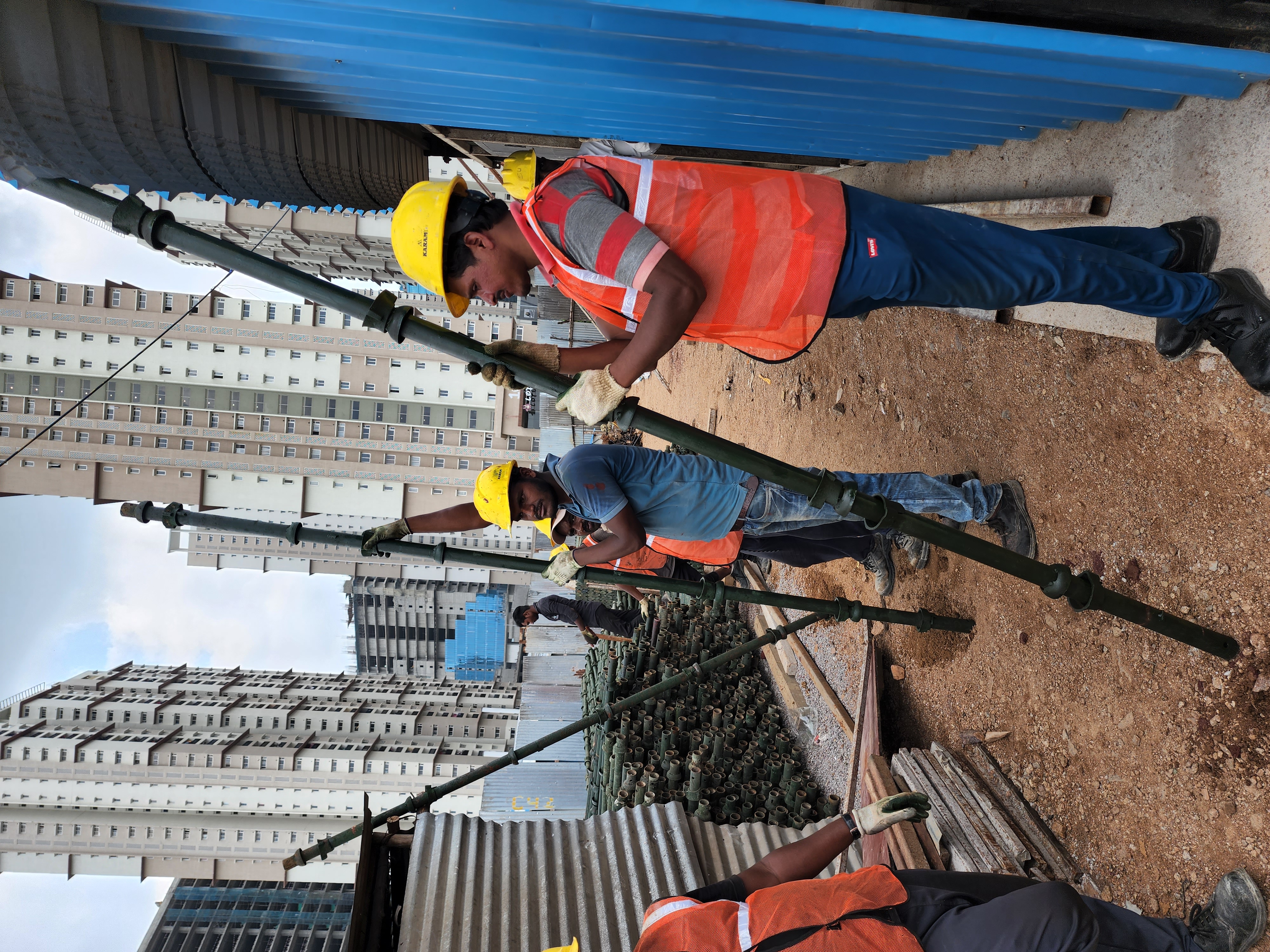
Introduction
Scaffolding safety is not just a regulatory requirement - it's a moral imperative. Falls from height remain one of the leading causes of construction site fatalities in India. Understanding and implementing proper safety standards can save lives and protect your project from costly delays and legal issues.
Key Indian Standards for Scaffolding
IS 3696 (Part 1) - Safety Code for Scaffolds
This is the primary standard covering:
- General requirements for all scaffold types
- Material specifications
- Erection and dismantling procedures
- Load requirements and safety factors
IS 2750 - Steel Scaffolding
Covers specifications for:
- Steel tube dimensions and grades
- Coupler requirements
- Load testing standards
- Material quality requirements
IS 14687 - False Work for Concrete Structures
Relevant for:
- Shuttering support systems
- Props and jacks specifications
- Design loads for formwork support
Essential Safety Requirements
1. Foundation and Base
- Scaffolds must be erected on firm, level ground
- Base plates must be used on all standards (vertical members)
- Sole boards required on soft ground
- No makeshift foundations allowed
2. Guard Rails and Toe Boards
- Top rail at minimum 950mm height
- Mid rail at approximately 470mm
- Toe boards minimum 150mm high
- Required on all open sides and ends
3. Access
- Proper ladders or stairways for access
- Never climb on scaffold frames
- Ladder must extend 1m above landing platform
- Secure all access points
4. Platforms
- Minimum 600mm wide working platforms
- Fully boarded with no gaps > 25mm
- Secured against displacement
- Free of tripping hazards
5. Bracing
- Diagonal bracing at regular intervals
- Horizontal bracing for stability
- Cross bracing on frame scaffolds
- Face bracing for tall scaffolds
Inspection Requirements
When to Inspect
1. Before first use after erection
2. After any alteration or modification
3. After adverse weather (high winds, heavy rain)
4. At regular intervals (at least weekly)
5. After any incident or near-miss
What to Check
- Foundation stability
- Vertical alignment
- Connection integrity (all couplers tight)
- Platform condition
- Guard rail presence and height
- Bracing integrity
- Load distribution
Compliance Responsibilities
Contractor's Duty
- Ensure scaffolding meets IS standards
- Provide safety equipment to workers
- Conduct regular inspections
- Maintain inspection records
- Train workers on safe practices
Supplier's Duty
- Provide material meeting quality standards
- Supply test certificates
- Replace damaged components
- Maintain material in safe condition
Common Safety Violations to Avoid
1. Overloading scaffold platforms
2. Missing guard rails on upper levels
3. Inadequate bracing for height
4. Poor foundation preparation
5. Using damaged components
6. Unauthorized modifications
Conclusion
Safety on scaffolding is everyone's responsibility. By following Indian Standards and implementing best practices, you protect your workers, your project, and your reputation.
At Amar Preet Scaffolding, we supply well-maintained, quality-tested scaffolding material. We only supply the material; erection and safety compliance on site is the contractor's responsibility.
**For quality scaffolding material:** +91 9355744699